All good things...
We don't want to trivialise the fact that, for farmers, gardeners, many elderly people and a substantial proportion of the population, the 2026 summer heatwaves have been uncomfortable, destructive and even dangerous. For many, though, it has been a rare British summer that actually felt like summer.
For drivers, every kind of weather poses its peculiar challenges. We have written previously about the hazards to be aware of when using cars in very hot weather, and the importance of preparation for one's journey. We've also highlighted the potentially fatal consequences of taking pets in cars during extremely hot weather.
In the past, we have also published advice on driving in snowy and icy conditions. Looking back through these topics, it becomes clear that any kind of extreme weather requires drivers and their vehicles to be aware of the hazards and to prepare accordingly.
Now that the meteorologists have declared that the season's dominant hot, dry period is finally making way for some much-needed rain, we take a look at wet weather driving - but with added dangers that may be far from obvious.
We're used to driving in the rain, so what's the problem?
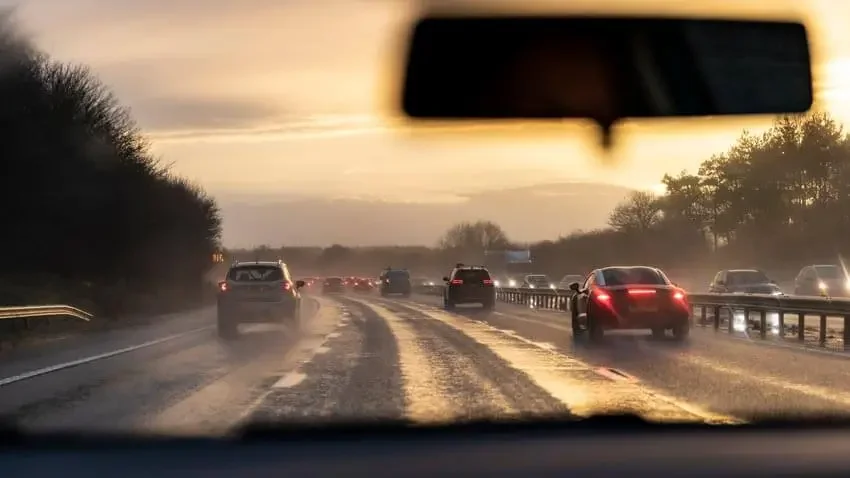
What we're used to is driving on roads that get rained on regularly. The UK is a fairly wet country and long periods without rain are unusual. That means that our road surfaces get a regular wash down from showers and downpours. When the weather is dry for a long while, that surface wash doesn't happen and so all kinds of substances have the chance to accumulate.
While the roads may look like the shiny black or grey surface we know so well, there are factors that, while unseen, can make a drastic difference to conditions. These include:
- Oil, petrol, grease and other spills. Throughout the dry weather, some vehicles will leak fuel, oil and possibly brake and steering fluids onto the road. These and other contaminants will have remained on the dry road surface without being washed away by rain. For the first few periods of rain, road surfaces may be covered with a slick cocktail of spilled and leaked fluids mixed with rainwater. Drivers should therefore:
- Keep in mind the increased risk of skidding and aquaplaning
- Check the condition of tyres. Worn or damaged tyres increase the risk of skidding, collisions and, of course, fines. Also check tyre pressures.
- Reduce speed and take particular care when cornering
- Increase distance between their car and the vehicle in front
- Allow for increased stopping distances when approaching junctions
- Dirt, dust, grit and mud. As with fluids, debris such as dust, grit, ablated tyre rubber and dead leaves will have accumulated on road surfaces. Where dried soil has fallen into the road from fields, embankments etc, it will turn to mud when soaked by rain. A slurry of this assorted debris will mean that vehicles kick up a dirty spray as they proceed. Motorists should:
- Expect mud, especially on rural roads and be alert for skid risks and longer stopping distances
- Be aware that driving close to the vehicle in front means that your windscreen will probably get covered in muck kicked up by its wheels. Ensure that wiper blades are in good order and wash reservoirs are topped up
- Remember maintenance. The underside of your car will probably become caked in dirt. Don't neglect to clean underneath when washing. Some dirt can be corrosive.
- Don't forget to clean your number plates if they get dirty. It is illegal to drive with plates obscured by dirt
- Potholes and road damage. Extreme heat can damage road surfaces. It is likely that new surface damage and potholes will have appeared during the prolonged hot, dry weather. What is more, potholes can become undetectable when they fill with rainwater - until we drive over them. Drive carefully, especially in areas notorious for poorly maintained road surfaces. Pothole damage costs British motorists and insurers more than £1 billion and incalculable inconvenience every year. Potholes can also cause accidents and injury.
- Bitumen "bleeding". In very hot weather, the sticky black bitumen that binds together the aggregates used in road construction can melt and bleed out onto the surface of the road. This can make the surface smoother in patches and compromise the grip and traction of vehicle tyres on the road. When wet, these patches can become very slick.
- Poor visibility. Many of today's cars have lights on by default, even in daylight, but during the long, bright summer days, we may forget to check and clean our lights. Lights are an essential safety precaution during heavy rain. Make sure yours are clean and functional.
All-weather safety
Different weather conditions all have their associated risks and challenges. It is important for drivers to be aware of the hazards posed by hot, cold, wet and any other ambient factors that might affect driving conditions. That said, ensuring that our vehicles are properly maintained is a great way to achieve at least basic preparedness for whatever difficult conditions our increasingly unpredictable climate may have in store for us.


