What is the new police operation and what led to it?
In January, Regtransfers reported on the findings of a report published by the All Party Parliamentary Group for Transport Safety (APPGTS). The report, entitled Ghosts On The Road: Tackling the Rise in Illegal Registration Plates, examined the problem of illegal number plates and particularly the use of such plates by criminals in the course of offending. The report's findings included a list of recommendations, which included:
- Ensure police forces have the equipment and training to tackle non-compliance
- Establish a national taskforce on number plate compliance and develop a national approach to tackling broader non-compliance.
The National Police Chiefs' Council (NPCC) has now announced the first substantial, coordinated effort to begin addressing the recommendations made by the APPGTS report.
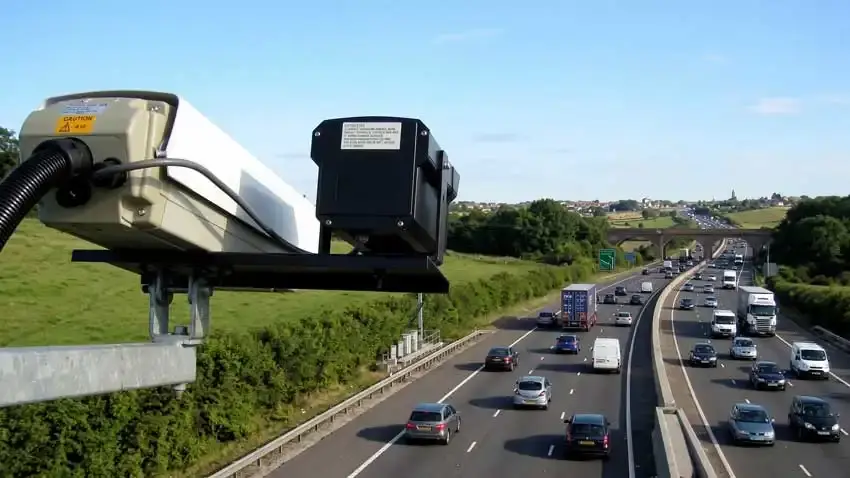
The new, nationwide initiative sees a dedicated police task force, equipped with new technology, crack down on illegal number plates on the UK's roads. One major target is the problem of the "ghost plates" from which the APPGTS report derived its title.
The term 'ghost plates' has come to mean, primarily, number plates made or modified to make them unreadable by traffic cameras and automatic number plate recognition (ANPR) systems. This is achieved largely by use of covers, paints, gels or sprays that alter the reflective properties of plates. Many of these plates may look quite normal to the naked eye, yet seem blank or unclear when observed by cameras.
The fact that ghost plates can look like normal, regulation number plates to unaided human eyes has made it difficult for police patrols to detect and stop the vehicles using them. The new police operation seeks to reduce that difficulty by using new, high-tech equipment, including special goggles that can reveal illegally treated number plates in many cases.
Clones and missing plates
The term 'ghost plates' makes great clickbait, so the media have often focused on that problem particularly. However, the new police campaign will also be acting against criminals employing cloned number plates. "Cloning" is the practice of covering or replacing a vehicle's number plates with false plates bearing a registration number copied from another vehicle.
Not only does this help criminals escape undetected, it can also result in fines or prosecutions for the innocent car owners and drivers whose registration numbers have been copied. When such a deception has been committed, it can be very difficult for the driver of the cloned vehicle to prove their innocence. In some cases, innocent drivers have had to pay penalties despite committing no crime.
The third category of offence specified by the NPCC is that of removing number plates completely, so that vehicles temporarily bear no identifying number at all. This most simple of dodges is commonly used when the offender wants to anonymise their vehicle for a short time, such as while filling up at a petrol station with the intent of driving off without paying, or driving through a controlled-emission zone without paying charges.
A new coordinating centre
The new police operation is the first substantial activity by the new National Roads Policing Coordination Centre (NRPCC), which was established following the Roads Policing Review in 2025. The NRPCC is funded by the Department for Transport with the intention of bringing together police forces from across England to share intelligence and data and to take action against a range of vehicle crimes.
The Roads Policing Review and the APPGTS's Ghosts On The Road report have already led to consultation on stronger penalties for drivers using illegal number plates, improving number plate standards and strengthening enforcement of the rules pertaining to the manufacture, sale and display of UK vehicle number plates.
Announcing the establishment of the NRPCC, Roads Minister Justin Madders said,
We're cracking down on illegal number plates with new policing resources and innovative tech.
Illegal number plates are used for crimes, from evading parking charges to drug trafficking, and we’re stepping in to protect drivers.
This is a signal to anyone using illegal number plates that their time is up. We will catch you and our roads and streets will be safer for it.
Deputy National Coordinator for the new NRPCC, Chief Superintendent Marc Clothier, said,
Through the National Roads Policing Coordination Centre, our mission is to tackle the biggest risks to road safety, enhancing and developing the police response to criminality both on and off the roads.
The police forces involved in our ghost plates operation have shown how effective a targeted and intelligence-led approach is in tackling offenders as well as educating and supporting drivers in ensuring their number plates are compliant. The testing and sharing of new approaches and developing innovation has been incredibly valuable, and we look forward to building on this as we progress to our next operational focus.
Thanks to the funding from DfT, we have a valuable opportunity to support road safety and roads policing across the UK with enhanced national coordination, consistency, collaboration and communication across policing, government and the wider road safety community.
Policing and Crime Minister Sarah Jones said,
Illegal number plates are not a victimless offence. They are used by criminals to avoid detection, move illegal goods and stay one step ahead of law enforcement. We are determined to give police every advantage in the fight against serious and organised crime, while making our roads safer for everyone.
This builds on work from DVSA and DVLA, which are working closely with police to improve how illegal number plates are identified and enforced against them. This includes supporting investigations into businesses involved in the illegal supply of number plates and supporting the police in roadside operations.


